
Insights, updates, and stories.
Explore our latest articles on technology, trends, and business growth.
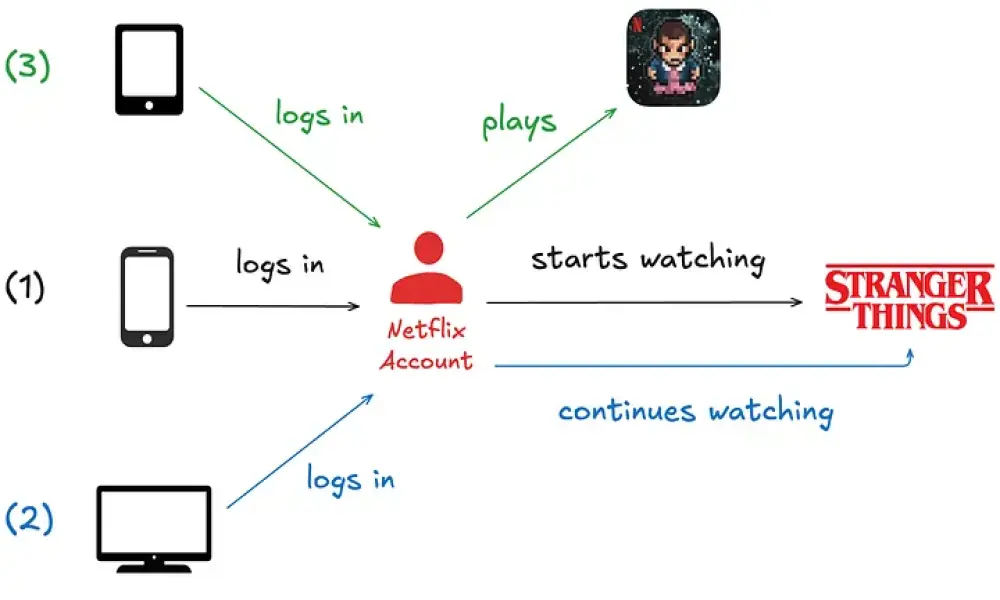
The Netflix product experience historically consisted of a single core offering: streaming video on demand. Our members logged into the app, browsed, and watched titles such as Stranger Things, Squid Game, and Bridgerton. Although this is still the core of our product, our business has changed significantly over the last few years. For example, we introduced ad-supported plans, live programming events (e.g., Jake Paul vs. Mike Tyson and NFL Christmas Day Games), and mobile games as part of a Netflix subscription. This evolution of our business has created a new class of problems where we have to analyze member interactions with the app across different business verticals.
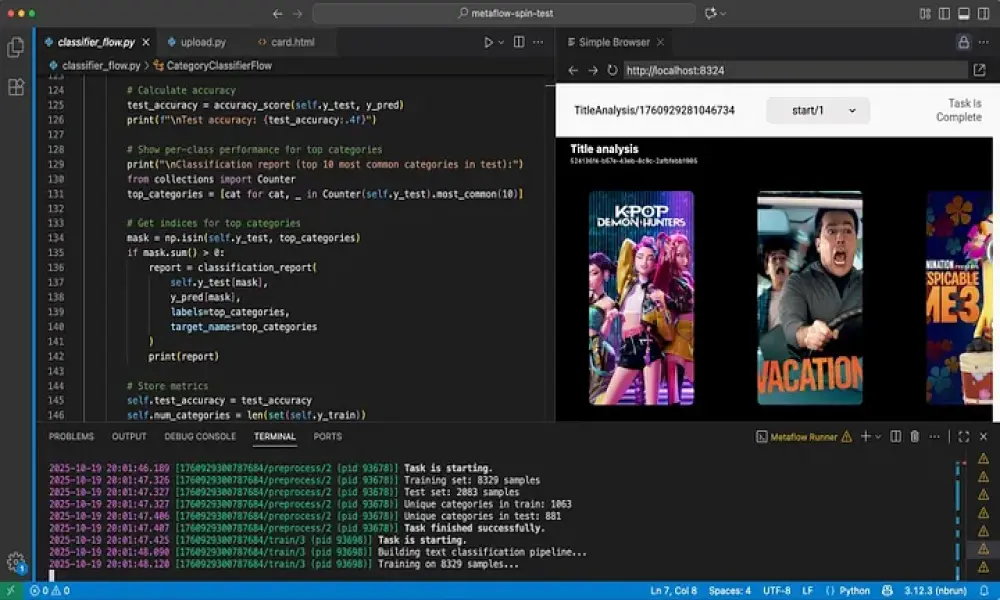
Metaflow — a framework we started and open-sourced in 2019 — now powers a wide range of ML and AI systems across Netflix and at many other companies. It is well loved by users for helping them take their ML/AI workflows from prototype to production, allowing them to focus on building cutting-edge systems that bring joy and entertainment to audiences worldwide.Metaflow allows users to:Iterate and ship quickly by minimizing frictionOperate systems reliably in production with minimal overhead, at Netflix scale.Metaflow works with many battle-hardened tooling to address the second point — among them Maestro, our newly open-sourced workflow orchestrator that powers nearly every ML and AI system at Netflix and serves as a backbone for Metaflow itself.In this post, we focus on the first point and introduce a new Metaflow functionality, Spin, that helps users accelerate their iterative development process. By the end, you’ll have a solid understanding of Spin’s capabilities and learn how to try it out yourself with Metaflow 2.19.

What is Full Stack Development?Full Stack Development refers to building complete web applications end-to-end. It involves working on:Frontend Development – Everything that users interact with:Languages: HTML, CSS, JavaScriptFrameworks/Libraries: React, Angular, Vue.jsPurpose: Create responsive, visually appealing interfaces.Backend Development – Server-side logic and database management:Languages: Python, PHP, Node.js, Java, RubyFrameworks: Express.js, Django, Laravel, Spring BootPurpose: Handle application logic, manage data, and connect the frontend to the database.Database Management – Storing, retrieving, and manipulating data:Relational Databases: MySQL, PostgreSQLNoSQL Databases: MongoDB, Firebasefff